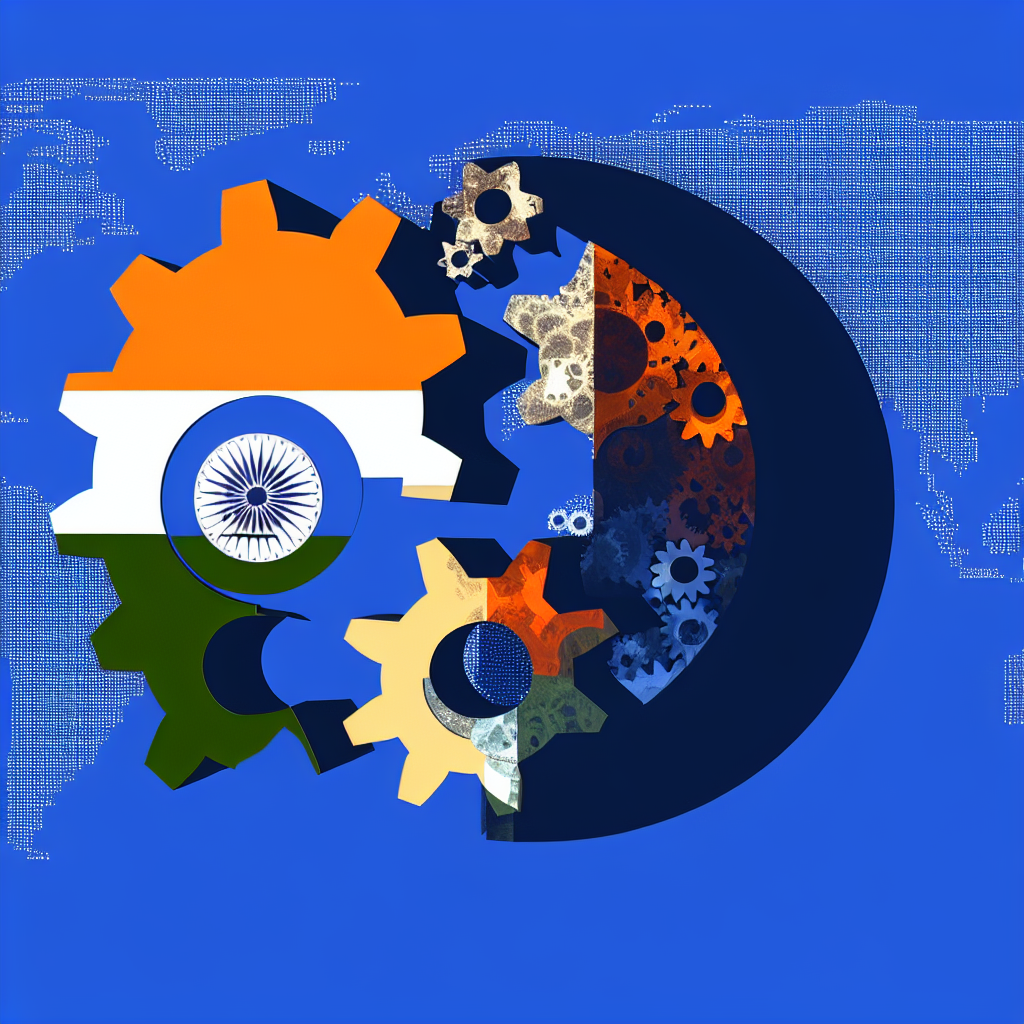
1. Historic India-EU Free Trade Agreement Grants Zero-Duty Access, Reshaping South Asian Trade Dynamics
India secured a landmark Free Trade Agreement (FTA) with the European Union, providing zero-duty access to European markets and directly challenging Pakistan’s GSP+ export privileges, particularly in textiles.[1] This deal emerges amid Pakistan’s admission of a “humbling” diplomatic and economic position, exacerbating its trade vulnerabilities.[1] Key facts: Negotiated rapidly post-India’s Union Budget 2026, the FTA prioritizes manufacturing and infrastructure-led growth to insulate India from global turbulence, with Budget allocations boosting capital expenditure to ₹12.2 lakh crore for FY27.[1] Context: India’s fiscal prudence (4.3% deficit target) and infrastructure push (e.g., 20 national waterways, rail freight) underpin this export surge, while Pakistan faces mounting pressures from regional shifts.[1] Implications: Could accelerate India’s GDP growth via Europe-bound exports, strain Pakistan’s textile sector (a key economic pillar), and redefine Indo-Pacific trade blocs, potentially drawing U.S. attention amid Trump’s energy realignments favoring India over Iran.[1]
2. Trump Nominates Kevin Warsh as Federal Reserve Chair, Sparking Global Market Volatility
President Trump nominated former Fed Governor Kevin Warsh as the next Federal Reserve chairman, intensifying investor concerns over U.S. monetary policy amid calls for lower interest rates.[2][5] Markets reacted sharply: U.S. futures for S&P 500 dropped 0.9%, Dow 0.5%, Asian shares slipped, and oil fell over 2% to $62.41/barrel.[5] Key facts: Warsh’s Senate confirmation is pending; Trump has publicly pushed rate cuts to stimulate growth without unchecked inflation, influencing global investments.[2][5] Context: This follows India’s Budget 2026-induced sell-off in D-Street (Sensex/Nifty lows) and precious metals declines, signaling broader trade jitters; Apple’s strong quarterly profit offered minor counterbalance.[1][5] Implications: Warsh’s hawkish past could temper rate-cut expectations, stabilizing inflation but risking slower growth; worldwide, it heightens uncertainty for emerging markets like India, potentially amplifying FTA gains or exposing fiscal vulnerabilities in a high-rate environment.[5]
3. Gaza’s Rafah Crossing Reopens Amid U.S. Diplomatic Shifts in Venezuela and Middle East Tensions
Egypt reopened Gaza’s Rafah border crossing for limited traffic, providing civilian relief after prolonged blockade under the Israeli-Hamas ceasefire framework.[1][6] This aligns with U.S. moves to restore its embassy in Caracas after seven years and Trump’s signals of India pivoting to Venezuelan oil over Iranian supplies.[1] Key facts: At least nine died in related regional incidents (e.g., Turkey bus crash), while Ayatollah Khamenei warned of instability amid U.S. force buildups near Middle East borders; airlines suspended Horn of Africa routes over violence fears.[1] Context: U.S. policy clarification limits federal intervention in urban protests unless requested, amid Epstein document releases drawing elite scrutiny (e.g., Prince Andrew, Bill Gates).[1][2] Implications: Rafah’s partial reopening could ease humanitarian crises and test ceasefire durability; U.S.-Venezuela thaw may secure energy alternatives for allies like India, countering Iran amid Khamenei’s rhetoric, but risks escalating geopolitics if tied to broader U.S. presence in the region.[1][6]
