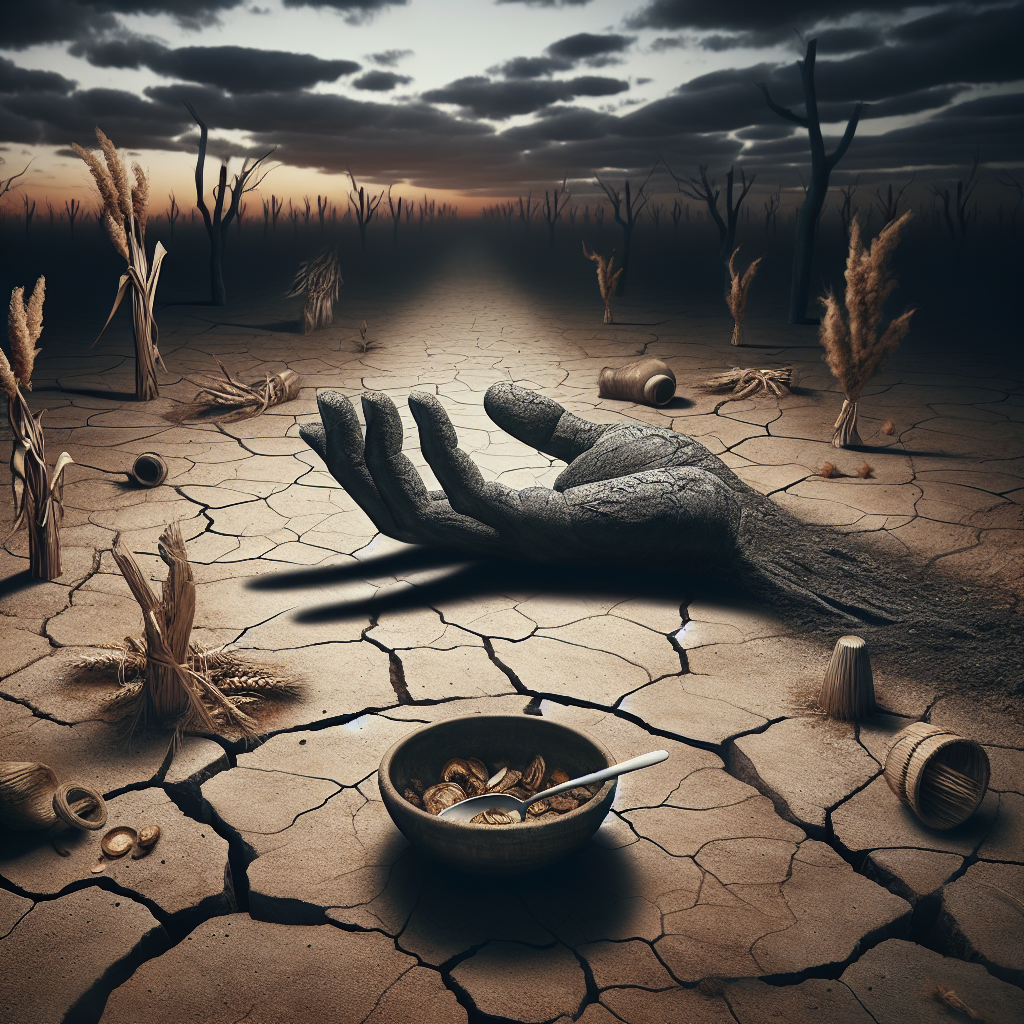
In Afghanistan, a Trail of Hunger and Death Behind U.S. Aid Cuts
In the harsh winter of 2026, Afghanistan grapples with a humanitarian catastrophe where 17.4 million people—over one-third of the population—face acute food insecurity, exacerbated by sharp reductions in international aid, including from the United States.[1][2][3] As families scavenge for scraps amid soaring food prices and mass deportations, the trail of suffering reveals how aid cuts have deepened a cycle of hunger and death, pushing millions toward famine.[4][5]
The Scale of the Crisis: Numbers That Haunt
The United Nations Office for the Coordination of Humanitarian Affairs (OCHA) projects that in 2026, 4.7 million Afghans will hit crisis-level Phase 4 on the Integrated Food Security Phase Classification (IPC), meaning households can only meet minimal food needs by selling off vital assets like livestock or tools.[1][3] This marks a sharp deterioration from previous years, with 22 million people—more than half the population—requiring humanitarian aid, prioritizing women and children who comprise three-quarters of those in need.[3][7]
The World Food Programme (WFP) paints an even grimmer picture: 9.5 million are severely food insecure, and 4.7 million women and children require malnutrition treatment.[5] Over 3.5 million children suffer from malnutrition, with hospitals reporting a third showing stunted growth due to chronic undernutrition.[4] In Kabul’s overcrowded nutrition centers, new mothers and children are turned away as WFP, crippled by funding shortfalls, supports only 1 million people monthly—leaving 8 million without aid.[4][5]
Drought has devastated 80% of rainfed wheat crops in key regions, stripping families of winter food stocks.[3] Sanitation woes compound the misery: 25% of households use unimproved water sources, and 37% lack soap, fueling disease outbreaks amid weakened immune systems.[3]
U.S. Aid Cuts: The Breaking Point
Since the Taliban’s 2021 takeover, international sanctions froze $3.5 billion in Afghan central bank assets under then-President Joe Biden, triggering economic collapse.[4] This set the stage for deeper cuts. In 2025, UN funding for Afghanistan dropped 15%, slashing food, health, and nutrition programs.[4] The WFP halted emergency assistance in May 2025 due to shortfalls, forcing ration cuts and program suspensions.[5]
U.S. aid, once a lifeline, has dwindled amid policy shifts, contributing to the sharp decline in global support.[2][4] Remittances evaporated as 2.5-2.6 million Afghans were deported from Iran and Pakistan, swelling the population by a tenth and overwhelming destitute districts already hit by poverty, drought, and disasters like the August 2025 6.0-magnitude earthquake that killed hundreds.[2][3][5] High unemployment, currency devaluation, and sharp food price hikes have made staples unaffordable, turning urban streets into scenes of begging.[4]
Humanitarian experts warn of a “trail of death”: without intervention, malnutrition could spike dramatically among children under five, causing irreversible developmental damage and excess mortality.[1] Last year saw Afghanistan’s biggest surge in malnutrition ever recorded, with 2026 poised to worsen under winter strains.[2]
Intersecting Crises: Conflict, Climate, and Exclusion
Years of war, economic fragility, and low investment in services have left Afghans vulnerable.[1] Climate change delivers blows—prolonged droughts, floods, and erratic rains destroy crops, displacing farming families reliant on imports.[3][4] Political instability limits government response, while Taliban policies systematically exclude women and girls from public life, eroding household resilience.[1]
Mass returns strain local capacities: deportees arrive in areas lacking services, amplifying food shortages.[2][3] Remote, conflict-hit zones hinder aid delivery, as humanitarian access remains a “critical challenge.”[1]
Glimmers of Hope Amid Despair
Responses are underway but woefully inadequate. In January 2026, the UN and Asian Development Bank launched a $100 million, two-year food security project targeting 151,000 families, including returnees and disaster victims, to bridge production gaps and spur private recovery.[2][4] Australia pledged an extra $50 million, totaling $310 million since 2021, funneled through WFP and Save the Children for food, health, and women’s aid.[4] Yet, partners aim to reach more with fewer resources in 2026, as the Afghanistan Humanitarian Needs Plan underscores.[3]
The WFP urgently seeks $568 million through February 2026 to sustain operations.[5] OCHA calls for $1.7 billion total, ranking Afghanistan’s crisis third globally after Sudan and Yemen.[7]
A Call to Reverse the Trail
The U.S. aid cuts, intertwined with global shortfalls, have carved a deadly path through Afghanistan’s villages and cities. Begging families, stunted children, and empty markets testify to the cost: a nation on famine’s edge. Immediate, scaled-up funding—unfrozen assets, restored U.S. commitments, and coordinated global action—could halt this trajectory. Without it, 2026 risks not just hunger, but widespread death. The world watches as Afghanistan’s vulnerable pay the price of inaction.
(Word count: 812)
Original source: The New York Times – In Afghanistan, a Trail of Hunger and Death Behind U.S. Aid Cuts
