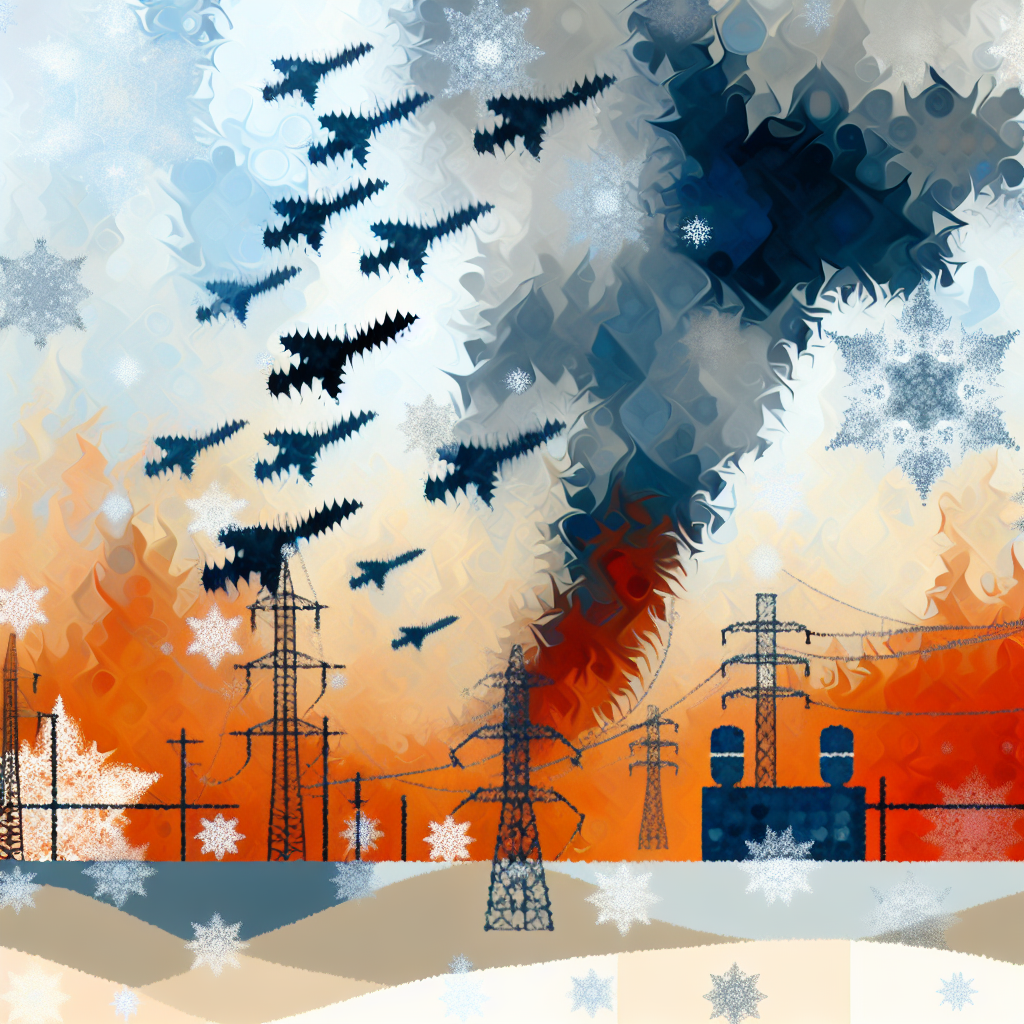
1. Russia Launches Major Aerial Assault on Ukraine’s Energy Infrastructure
Russia conducted its largest aerial attack of the year on Ukraine, resuming strikes on energy facilities after a pause and exacerbating blackouts during one of winter’s coldest periods.[2] Ukrainian President Volodymyr Zelenskyy reported repeated Russian ceasefire violations ahead of peace talks and awaits a U.S. response to the overnight strikes damaging cities and power grids.[1][2]
Context: This escalation follows a fragile pause in energy-targeted attacks, with Zelenskyy highlighting infrastructure damage amid harsh weather.[1][2]
Implications: The assault could prolong Ukraine’s energy crisis, strain international aid efforts, and complicate U.S.-brokered peace negotiations, potentially drawing stronger Western military support and raising global energy prices.[2]
2. U.S. Shoots Down Iranian Drone Amid Revived Nuclear Talks
The U.S. military downed an Iranian drone approaching an aircraft carrier in the Arabian Sea, as President Trump confirmed ongoing nuclear negotiations with Iran.[1][5] U.S. Middle East envoy Steve Witkoff and Jared Kushner are set to meet Iranian Foreign Minister Abbas Araghchi in Istanbul on Friday, with Israeli PM Netanyahu urging skepticism toward Tehran.[2][5] Iran faces accusations of intensified protester killings and Bahai persecution.[2]
Context: The incident heightens tensions in a region volatile from sanctions and provocations, coinciding with diplomatic overtures under Trump’s administration.[1][2][5]
Implications: Success in talks could curb Iran’s nuclear ambitions and stabilize oil markets, but failure risks escalation, U.S. sanctions, or broader conflict involving Israel and proxies, impacting global trade routes.[2][5]
3. Trump-Petro White House Meeting Signals U.S.-Colombia Detente
President Trump met Colombian President Gustavo Petro in a surprise reversal from prior threats of military action over cocaine flows, exchanging gifts and expressing goodwill amid escalating tensions.[1][2][9] The session aimed to repair bilateral ties after Trump’s “sick man” remarks.[1][2]
Context: This follows Trump’s recent criticisms and reflects shifting U.S. Latin America policy, contrasting with ongoing Venezuelan opposition stirrings and Argentinian economic reforms under Javier Milei.[2]
Implications: Improved relations could enhance counternarcotics cooperation, boost U.S. investment in Colombia, and counter Chinese influence in the region, though domestic U.S. politics and drug trade challenges persist.[1][2][9]
