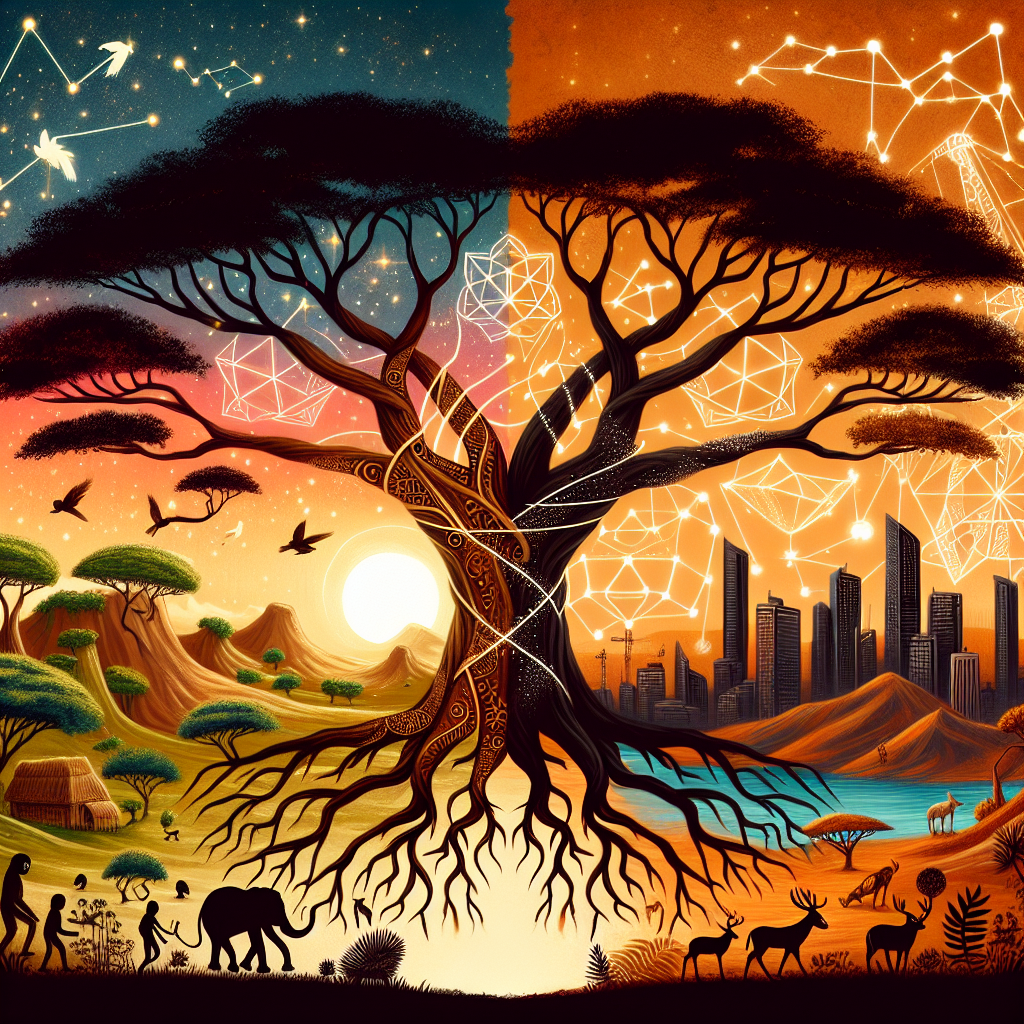
From Hollywood to the Homeland: Why African Countries are Courting Black American Stars
In an era of cultural reconnection and economic ambition, African nations are actively wooing Black American celebrities with citizenship offers, investment incentives, and grand visions of partnership. From Sierra Leone’s smart city dreams with Idris Elba to Gabon’s embrace of Ludacris, this “back to Africa” movement signals a strategic courtship blending heritage, tourism, and growth.[1][2]
The Pull of Roots and Passports
The trend gained momentum around 2019, when DNA tests and ancestral revelations prompted Hollywood stars to reclaim their heritage. Rapper Ludacris (Chris Bridges) received a Gabonese passport, not as a publicity stunt but as a commitment to family, philanthropy, and community building. He described it as the “greatest gift of my life,” vowing to invest in resorts, rebuild family homes, and revive local economies like movie theaters in Eritrea—tying into broader diaspora calls to treat Africa as a “home base.”[2]
Similarly, Idris Elba, of Sierra Leonean descent, landed in Freetown amid fanfare, securing citizenship to “reframe” Africa’s image beyond aid dependency. Elba champions tourism, creative industries, and opportunities for locals, proposing a smart city project to showcase progress post-civil war.[1][2] Actor Samuel L. Jackson whispered “This is home” upon arrival, while comedian Tiffany Haddish teared up under her Eritrean father’s flag, using her platform to spotlight struggles in Nigeria, Cameroon, Ethiopia, and beyond. Even Stevie Wonder relocated his family to Ghana, embodying a reclamation of identity.[2]
These aren’t isolated gestures. African governments view such stars as ambassadors, leveraging their fame to boost global perception and investment. Sierra Leone’s state ceremony for Elba doubled as a tourism promo, while Gabon’s welcome for Ludacris emphasized cultural and economic ties.[2]
Economic Incentives and Startup Fever
Beyond symbolism, African countries offer tangible perks. Celebrities are becoming startup funders, channeling fame into innovation and jobs. African sports and music stars already lead this, but Black American icons amplify it globally.[1]
Elba’s Sierra Leone initiative exemplifies this: a smart city to drive development, framed as an “opportunity completely different” from charity models.[1] Lagos, Nigeria, breaks ground on a $100 million Film City, a public-private venture with Ebonylife Academy and Delyork, positioning the city as “Africa’s Hollywood.” This surpasses Nollywood’s established hub, promising jobs and growth in production services.[1]
Nigeria’s entertainment surge underscores the strategy. The 2026 Nollywood in Hollywood showcase features films like Stitches, When Nigeria Happens, and To Adaego With Love, blending romance and drama to conquer global screens.[4] Daily Trust predicts 2026 as a “defining year” for Nigerian films and music on the world stage.[5]
Cultural Spotlights and Grammy Glory
Fashion and music further the allure. At the 2026 Grammy Awards, African and diaspora stars dazzled, proving cultural clout. Nigerian megastar Davido stunned in a black double-breasted tuxedo; Ayra Starr in a sheer navy-black gown; Angélique Kidjo in Pharrell Williams’ custom Louis Vuitton suit with a sculptural headwrap; and Nigerian-American Shaboozey mixed country flair with a Ralph Lauren jacket and bolo tie, winning Best Country Duo/Group for “Amen.”[3]
Lupita Nyong’o, Kenyan-born Oscar winner, continues shining: named “best dressed” at the 2024 Oscars by Cosmopolitan, with Vogue praising her continent-proud hairstyles. As the first female African to lead Berlin’s film jury, she embodies the bridge.[1]
Why the Courtship? Mutual Wins
African nations court these stars for multifaceted gains:
- Tourism and Investment: Elba promotes Sierra Leone’s creative sectors; Ludacris eyes Gabonese resorts.[1][2]
- Diaspora Engagement: Encouraging Black Americans to “invest and thrive,” countering vacation-only views.[2]
- Soft Power: Film City and Nollywood exports elevate Africa’s narrative, with Hollywood crossovers like 2026 showcases.[1][4]
- Economic Boost: Celebrity funding fuels startups, jobs, and innovation amid continental growth.[1]
For stars, it’s personal and professional. Nyong’o’s heritage pride, Haddish’s advocacy, and Elba’s future-building reflect a movement where identity becomes action.[1][2]
Challenges persist—past conflicts like Sierra Leone’s war linger in perceptions—but optimism prevails. As Lagos builds its film district and Grammys showcase Afrobeats, African countries aren’t just inviting stars; they’re co-authoring a renaissance.[1][3]
This Hollywood-to-homeland flow promises a vibrant 2026: more passports, projects, and premieres. Black American icons aren’t just visiting—they’re investing in the motherland’s tomorrow.
(Word count: 812)
Original source: BBC News – From Hollywood to the homeland: Why African countries are courting black American stars
