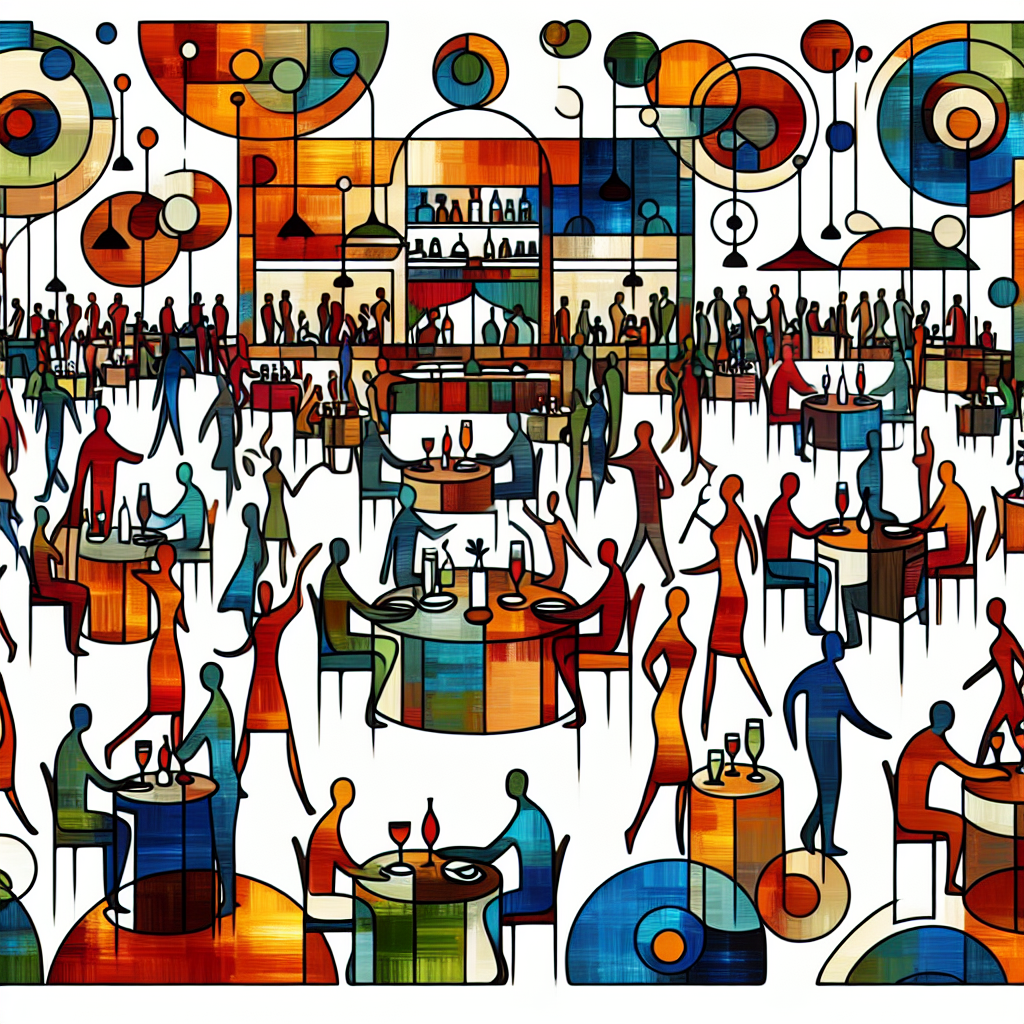
Is Dining Out Dying Out?
In 2026, dining out is far from dying—it’s evolving with robust growth, projected U.S. restaurant sales hitting $1.55 trillion and Americans planning to eat out 10 times per month on average.[3][1][2] While economic pressures have some consumers cutting back, data from OpenTable and industry reports show surging demand for value-driven, experiential, and social meals, signaling a resilient sector adapting to new preferences.[1][2][5]
A Resilient Industry Fueled by Pent-Up Demand
The restaurant industry’s outlook for 2026 is cautiously optimistic, driven by consumer spending and a strong desire to dine out as budgets allow.[3] OpenTable’s research highlights an 8% year-over-year increase in dining in 2025, with no signs of slowdown into the new year.[1][2][4] Debby Soo, CEO of OpenTable, emphasizes that “dining out isn’t just about the meal, it’s about community,” underscoring its enduring role in American life.[1] This aligns with 78% of Americans agreeing that dining out fosters connection.[2]
Projections confirm the momentum: real (inflation-adjusted) sales gains of 1.3% are expected nationwide, pushing the sector past the $1.5 trillion milestone.[3][7] Even amid challenges like higher costs, pent-up demand keeps tables full, particularly as diners prioritize restaurants over “food at home,” which grew only 3% in recent periods.[5]
Shifting Toward Value and Special Occasions
Economic headwinds aren’t killing dining out—they’re reshaping it. A McKinsey analysis notes that while Gen X and baby boomers, especially low- and middle-income households, have pulled back on spending across quick-service, sit-down, and delivery, younger demographics remain bullish.[5] Millennials, planning 14 outings per month, lead as the most frequent diners, with 79% valuing a restaurant’s Instagram/TikTok-worthiness.[1][2]
Value hunting defines 2026: 61% of Americans view dining out as a special occasion rather than routine, boosting “happy hour” slots (4-4:59 PM) by 13% year-over-year.[1][2] Casual, affordable meals under $30 are top picks, with 50% favoring them in January and 51% wanting more promotions.[2] Weekly specials attract 47%, and 55% anticipate spending more overall.[2] Consumers trade down by using deals or ordering cheaper items rather than abandoning favorites.[5]
Datassential’s trends show mixed expectations—17% plan more dining, 43% steady, 36% less—but the majority still lean toward stability.[9] Pickup at limited-service restaurants (LSRs) rose 14% in frequency, while delivery baskets dipped due to pricing pressure.[5]
The Rise of Experiential and Group Dining
Dining out thrives as a social and sensory event. Group dining for parties of 6+ surged 11-12% year-over-year, with 40% preferring company over solo meals and 58% (77% Millennials) seeing it as prime social plans.[1][2] OpenTable’s group dining marketplace makes booking seamless.[1]
Experiential dining exploded 46%, with 34% more pop-ups, collaborations, and chef’s tables.[1] Nearly half (48%) book based on unique events, and 37% want more.[2] Neighborhood gems appeal to 36%, blending local charm with “cozy” vibes that 48% prioritize, even at a premium (54% willing).[2] Restaurateurs like Momofuku’s Kate Schatz note sold-out ephemeral events, proving diners crave what’s “hungry for… something they can’t get tomorrow.”[2]
Shared plates are fading—52% prefer individual orders—but gathering remains king.[1] Spontaneity surges too: Notify Me alerts up 84%, walk-ins average 39-minute waits.[2]
Generational Divides and Menu Evolutions
Younger diners propel growth: Millennials and high-income Gen Z favor sit-down spots for socializing, resisting pullbacks better than older groups.[5] Gen Z prioritizes full-service restaurants (FSRs) over LSRs or delivery more than boomers.[5] High-income boomers stick to FSRs, showing resilience.[5]
Menus reflect buzz: reviews of 2 million diners spotlight matcha (+88%), hand rolls (+78%), seaweed (+66%), spicy rigatoni (+56%), and Basque cheesecake (+44%).[1] Nostalgia calls for classics like chicken pot pie, meatloaf, and shrimp cocktail.[1]
Challenges Amid the Boom
Not all smooth: delivery spend per unit fell 12%, and some plan cuts (up to half per visit).[5][9] Restaurants face costs and shifting demand, but trends like AI kitchens and tech adaptations position them for growth.[7][8] Casual chains focus on value to compete.[6]
The Verdict: Thriving, Not Dying
Dining out in 2026 is adapting—more intentional, value-focused, and communal. With sales booming, frequent visits, and experiential highs, the death knell is a myth. As OpenTable data proves, Americans still crave that irreplaceable connection over a meal.[1][2] Restaurants innovating with promotions, groups, and unique vibes will capture this vitality, ensuring dining out remains a cultural staple.
(Word count: 812)
Original source: BBC News – Is dining out dying out?
