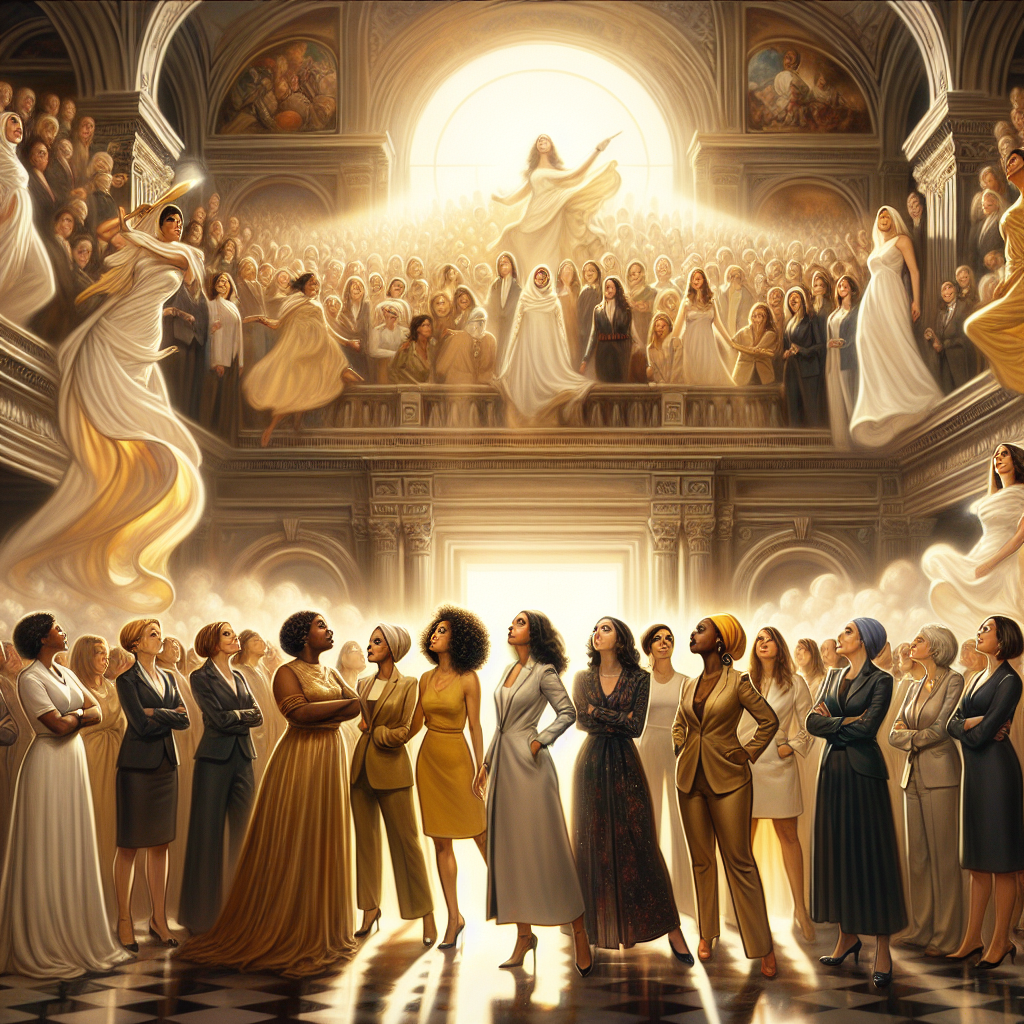
One Giant Boys’ Club? Why Westminster Can Still Feel Like a Man’s World
Westminster’s corridors of power have long echoed with the footsteps of men, and even in 2026, despite record numbers of women MPs, the place often feels like a giant boys’ club. With women making up just 40% of the House of Commons after the 2024 election, deep-seated barriers persist, from party selection biases to cultural norms that sideline female voices in decision-making.[1]
Record Highs, But Far From Parity
The 2024 general election marked a milestone: 263 women were elected to the 650-seat House of Commons, the highest ever at around 40%. Of the 335 new MPs, 39% were women, a promising sign for fresh talent.[1] Labour leads here, boasting 46% female MPs—far ahead of the Conservatives’ mere 25%. Smaller parties like the Greens and Plaid Cymru achieved near-parity with three women and one man each, while Reform UK has zero female MPs, and the SNP just one among nine.[1]
Yet the Lords lag behind, with women at only 31% of 836 peers.[1] Devolved bodies show mixed progress: Northern Ireland’s assembly hit 35% women in 2022, up from 13% in 1998, while Wales’ Senedd peaked at 50% in 2003 but now sits at 43%—still topping Westminster.[1] Scotland’s Parliament has maintained higher female representation without steady growth. Globally, the UK ranks 25th worldwide (11th in Europe) for women in lower houses and leads G7 nations, but parity remains elusive.[1]
These figures highlight progress, yet they mask why Westminster feels exclusionary. Underrepresentation means untapped talent and skewed perspectives in law-making and governance.[1]
Party Pipelines: The Real Gatekeepers
Gender imbalance varies starkly by party, rooted in candidate selection. Conservatives’ low female MP share (under a quarter post-2019) constrained ministerial picks under recent PMs.[1] Labour’s deeper bench—nearly half women—eases this, yet overall, men dominate leadership. No female Reform UK MPs signals outright exclusion in some quarters, while independents are all male despite a bumper crop.[1]
Cultural hurdles amplify this. Westminster’s late nights, intense scrutiny, and combative style deter women, especially caregivers. Reforms like permanent proxy voting for parental leave (piloted 2019) and locum maternity cover (first used by Stella Creasy in 2019) help, as does the Ministerial and other Maternity Allowances Act 2021.[1] Creasy’s campaigns, including This Mum Votes and pushing baby-friendly rules, aim to normalize family life in politics.[1] But these are bandages on deeper wounds: selection processes favoring “safe” male candidates and a “laddish” culture of banter that women navigate warily.
Ministerial Roles: Power at the Top
Cabinets reflect parliamentary imbalances. Prime ministers appoint ministers, theoretically prioritizing balance, but Conservative scarcity limited options.[1] Labour’s 2024 majority offers more scope, yet recent Women and Equalities sessions reveal ongoing tensions. On January 30, 2026, MPs like Seema Malhotra and Olivia Bailey (Parliamentary Under-Secretary for Equalities) fielded questions on LGBTQ+ rights, sex-based spaces, ethnicity pay gaps, and women’s health—issues blending gender equity with broader fights.[2]
Debates touched trans-inclusive policies while protecting single-sex spaces, echoing tribunal rulings that uphold female-only facilities under Article 8 human rights, provided trans alternatives exist.[3] Scottish policies housing some male prisoners in female estates face judicial review on similar grounds.[3] These flashpoints underscore how gender debates polarize Westminster, often pitting women’s sex-based rights against others, reinforcing a male-centric status quo where women MPs defend fringes rather than set agendas.[2][3]
Cultural Shadows and Invisible Barriers
Beyond numbers, Westminster’s “man’s world” vibe stems from unwritten rules. Networking in smoky bars (pre-ban echoes linger), aggressive questioning, and mentorship skewed male leave women outsiders. Diversity boosts representation—more women mean broader views mirroring the UK’s population—but absence starves policy of nuance on childcare, domestic violence, or pay equity.[1]
Ethnic minority women face compounded barriers, as seen in 2026 calls for mandatory ethnicity pay gap reporting and tackling race inequalities via roundtables.[2] Commitments to scrap the two-child benefit limit and expand free school meals signal family support, but implementation lags.[2]
Paths Forward: Quotas, Culture Shifts, and Resolve
Achieving balance demands more: all-women shortlists (Labour’s tool), mentoring pipelines, and cultural audits. Senedd’s past parity proves it’s possible without quotas everywhere, but Westminster’s voluntary approach stalls.[1] International peers like Rwanda (61% women) used quotas effectively; the UK resists, fearing “tokenism.”
As of early 2026, momentum builds. Labour’s female-heavy ranks could reshape cabinets, while equalities debates push boundaries.[1][2] Yet without dismantling the boys’ club—its selection biases, late-night grind, and exclusionary norms—Westminster will stay a man’s world. True power-sharing requires not just seats, but influence. Women MPs are breaking in; now they must break the glass ceilings above.
(Word count: 812)
Original source: BBC News – One giant boys’ club? Why Westminster can still feel like a man’s world
