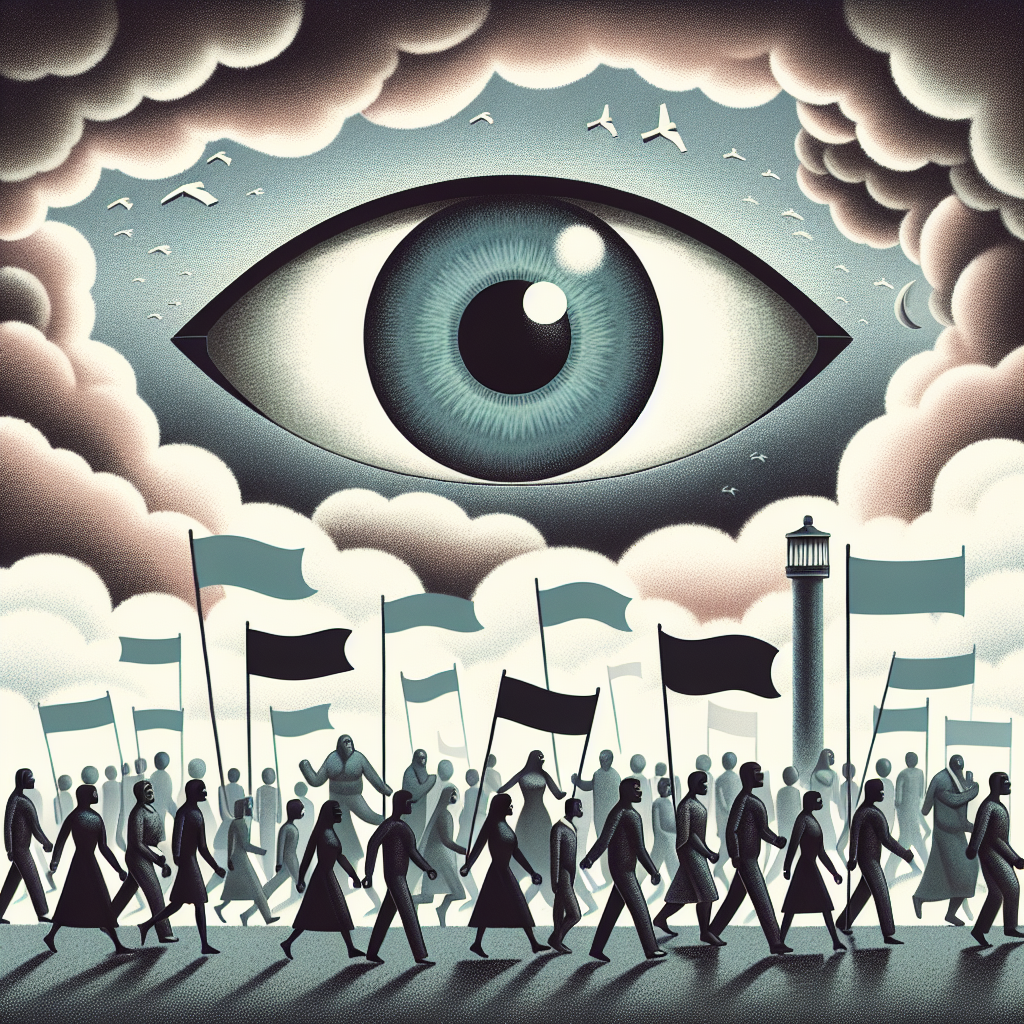
How ICE Is Pushing Tech Companies to Identify Protesters
In early 2026, U.S. Immigration and Customs Enforcement (ICE) has intensified efforts to unmask protesters opposing its operations, pressuring tech giants like Google, Meta, Apple, and others to hand over user data through subpoenas and app removals.[1][3] This escalation, amid a Trump administration crackdown on immigration dissent, raises alarms about surveillance overreach threatening First Amendment rights.[2][3]
The Surge in ICE Surveillance Tactics
ICE’s strategies target digital tools protesters use to monitor agents and raids. Protesters rely on social media, encrypted apps like Signal, and dedicated trackers such as Red Dot, DeICER, and ICEBlock to share real-time ICE vehicle locations.[1] In response, the Department of Justice (DOJ) demanded Google and Apple remove these apps from their stores, citing risks to agents’ safety, as stated by Attorney General Pam Bondi.[1] Meta also blocked a database of ICE agents’ names and photos on Facebook, Instagram, and Threads over privacy concerns.[1]
DHS has wielded administrative subpoenas—tools allowing data demands without judicial oversight—to identify anonymous users. Examples include a September 2025 subpoena to Meta for Instagram accounts tracking ICE in California and Pennsylvania, later withdrawn after legal challenges by the ACLU.[3] Another targeted a Cornell PhD student for attending a protest, with Google complying without user notice.[3] In October 2025, Google received a subpoena for a retiree criticizing ICE policies, followed by agents visiting their home.[3] DHS even sought subpoena power for a Pennsylvania Instagram account warning of raids, though it backed off.[1]
These moves form a pattern: FBI Director Kash Patel launched probes into Signal use for ICE tracking in Minnesota, while DHS Secretary Kristi Noem accused journalists of “doxxing” agents.[1] Critics argue this chills speech, as protesters face doxxing risks themselves.[1][2]
Tech Companies Under Pressure
Tech firms are caught in the crosshairs, often complying despite promises to protect users. Google handed over the PhD student’s data without notice, breaching its own policies.[3] Apple and Google delisted ICE-tracking apps after DOJ pressure, prompting an Electronic Frontier Foundation (EFF) lawsuit alleging unlawful coercion.[1] Meta’s content blocks align with administration goals to curb anti-ICE discourse.[1]
EFF’s February 2026 open letter to Amazon, Apple, Discord, Google, Meta, Microsoft, Reddit, Snapchat, TikTok, and X urges resistance: demand court orders, notify users, and fight gag orders.[3] “DHS has consistently targeted people engaged in First Amendment activity,” EFF notes, citing subpoenas for documenting ICE or protesting.[3] Without pushback, companies enable what EFF calls “lawless” overreach.[3]
Biometric and AI Tools Amplify the Threat
Beyond subpoenas, ICE deploys facial recognition and AI surveillance. The agency uses mobile apps like Mobile Fortify for biometric scans on streets, profiling individuals at protests or checkpoints.[2][5] Senator Ed Markey reports ICE and Customs and Border Protection (CBP) building databases of “domestic terrorists” for protesting ICE, including citizens.[2]
In response, Senators Markey, Jayapal, Merkley, and Wyden introduced the ICE Out of Our Faces Act in February 2026, banning ICE/CBP facial recognition use, mandating data deletion, and curbing biometric systems.[2] “ICE agents are using facial recognition to track, target, and surveil individuals,” Markey said, decrying its role in silencing dissent.[2] EFF’s India McKinney warned of constitutional trampling via warrantless scans of communities opposing ICE violence.[2]
DHS investments in AI surveillance extend “mission creep” to track Americans, per the American Immigration Council.[4] Aerial drones and AI risk assessments against Los Angeles protesters further erode privacy.[2]
Pushback and Broader Implications
Civil liberties groups fight back. EFF sued over app removals, calling it intimidation against immigration critics.[1] ACLU challenges exposed DHS reliance on flawed legal authority.[3] Lawmakers demand ICE confirm or deny protester databases and halt tools like Mobile Fortify.[2]
This pressure on tech echoes global authoritarian tactics: targeting journalists, protesters, and minorities via biometrics.[2] As Alejandra Montoya-Boyer of The Leadership Conference notes, it weaponizes tech against immigrants, communities of color, and advocates.[2] Protesters’ hacks—like 2020 Black Lives Matter disruptions—highlight digital cat-and-mouse games.[1]
For tech companies, the stakes involve balancing compliance with user trust. Resisting could shield free speech; yielding risks enabling oppression. As of February 2026, no major firm has publicly defied DHS en masse, but EFF’s letter signals momentum.[3]
What Protesters and Users Can Do
- Switch to privacy-focused tools: Use end-to-end encrypted apps and VPNs, avoiding centralized platforms.
- Support legislation: Back the ICE Out of Our Faces Act to limit biometrics.
- Demand transparency: Pressure tech firms to notify subpoena targets and litigate.
- Document safely: Anonymize posts and avoid geolocation sharing.
ICE’s push reveals a surveillance state targeting dissent, not just immigration. Without checks, tech becomes an enforcement arm, eroding civil liberties for all. Staying vigilant—and demanding accountability—is key to preserving digital freedoms.
(Word count: 812)
Original source: The New York Times – How ICE Is Pushing Tech Companies to Identify Protesters
