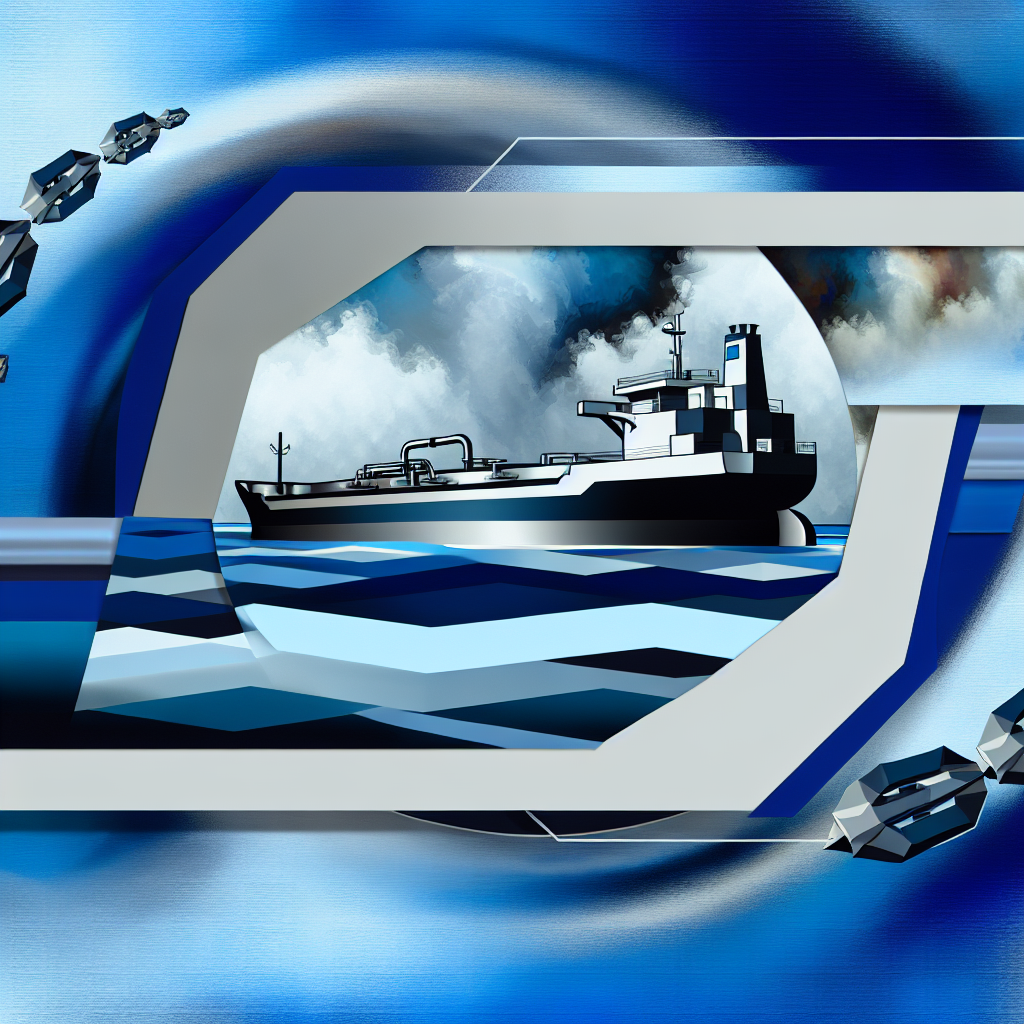
1. US Forces Board Second Sanctioned Oil Tanker in Indian Ocean, Enforcing Trump’s Blockade
US military personnel boarded the Panamanian-flagged oil tanker Veronica III in the Indian Ocean on February 15, 2026, after it violated President Donald Trump’s quarantine of sanctioned vessels originating from the Caribbean.[1] The Pentagon tracked the vessel from the Caribbean, deploying forces via helicopter in a video-recorded operation, marking the second such interception following the Aquila II a week earlier.[1] This action underscores escalating US enforcement of economic sanctions, likely targeting Venezuelan oil shipments amid renewed tensions under the Trump administration.
Context: Trump’s “quarantine” appears to expand prior blockade efforts against sanctioned regimes, intersecting with maritime security and global energy trade routes.[1]
Implications: Heightened naval presence could disrupt shadow fleets evading sanctions, stabilize oil prices short-term, but risks retaliatory actions from affected nations like Venezuela, potentially inflating global shipping insurance costs and complicating supply chains for importers in Asia and Europe.[1]
2. Escalating Tensions in Ukraine as Russia Launches Massive Drone and Missile Barrage
Russian forces unleashed over 100 kamikaze drones and ballistic missiles against Ukraine overnight into February 15, 2026, with Ukraine intercepting 91 but 18 striking targets across 11 locations, causing injuries in regions like Kiev Oblast.[2] The assault coincides with the Munich Security Conference, where leaders including US Secretary of State Marco Rubio and German Chancellor Friedrick Marks discussed military aid, while President Zelenskyy urged Europe to target Russia’s shadow fleet in upcoming peace talks.[2] This follows European accusations of Russia poisoning opposition leader Alexei Navalny with a poison dart frog toxin, prompting reports to the chemical weapons watchdog.[2]
Context: The strikes represent a surge amid stalled negotiations, with Zelenskyy criticizing Europe’s absence from Russia-US talks and calling for stricter sanctions on illicit oil transport.[2]
Implications: Intensified aerial campaigns could prolong the conflict, strain NATO resources, and drive energy market volatility; transatlantic alliance revitalization efforts may accelerate US aid, but Europe’s “shock therapy” response risks economic fallout from disrupted Russian commodity flows.[2]
3. Trump Deploys Additional Aircraft Carrier to Middle East Amid Iranian Regime Change Push
US President Donald Trump confirmed deploying an extra aircraft carrier group to the Middle East, signaling potential military action against Iran as exiled Crown Prince Reza Pahlavi rallied up to 200,000 protesters in Munich on February 15, 2026, demanding regime overthrow.[2] Pahlavi praised Trump’s stance at the Security Conference, where he urged further support for Iranian dissidents, echoing Trump’s view that regime change would be “the best thing.”[2] This builds on Trump’s criticisms of Tehran’s leadership and aligns with global security dialogues.
Context: Protests mark a “global day of action” against Iran’s theocracy, fueled by ongoing anti-government unrest and the junta’s history of abuses, paralleling regional sanction enforcements like the tanker boardings.[1][2]
Implications: US naval buildup raises escalation risks in the Strait of Hormuz, potentially spiking oil prices (already pressured by sanctions); success in bolstering opposition could reshape Middle East geopolitics, fostering pro-Western shifts but inviting proxy conflicts or broader alliances against perceived US overreach.[2]
