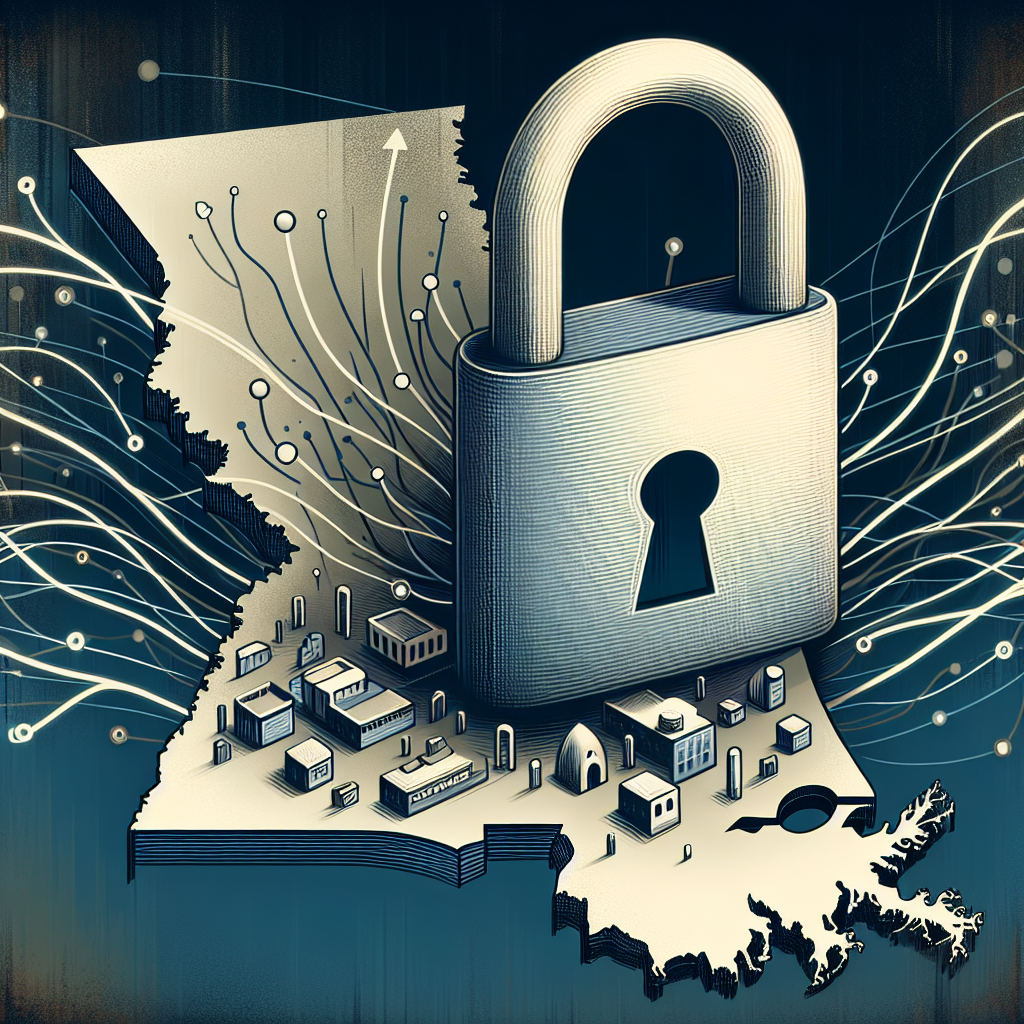
Mississippi Health System Shuts Down Clinics Statewide After Ransomware Attack
A ransomware attack on the University of Mississippi Medical Center (UMMC) has forced the closure of all 35 clinics across Mississippi, disrupting healthcare services for thousands of patients.[1][2] Launched on Thursday, the cyber incident prompted UMMC to shut down operations as a precaution, with closures extending into a second day by Friday and no clear timeline for recovery.[1][2][4]
The Scope of the Disruption
UMMC, Mississippi’s largest public hospital system, confirmed the ransomware attack affected multiple IT systems, including its electronic health record platform.[2] All 35 clinics statewide were temporarily closed, alongside the cancellation of elective procedures and surgeries.[1][3] Hospitals and emergency rooms remained operational, allowing staff to provide essential care—some reverting to pen-and-paper methods, as Vice Chancellor LouAnn Woodward noted during a Thursday news conference.[2]
The attack’s impact rippled through communities reliant on UMMC for routine care, from primary check-ups to specialized treatments.[1] Patients received text messages and emails about canceled appointments, which UMMC verified as legitimate despite fears of phishing scams tied to the breach.[4] One parent, Hailey Dickinson, expressed alarm after receiving notices for her children’s canceled doctor visits, highlighting growing patient confusion and eroded trust.[4]
By Saturday, as reported in ongoing coverage, UMMC clinics stayed shuttered due to the system-wide network outage, with phone and email systems still down.[4] Woodward warned the shutdown could last days while teams assess damage and restore networks.[2] An off-site vendor was activated to manage fallout from the downed Epic electronic medical record system.[4]
Attackers Make Contact Amid FBI Involvement
UMMC officials revealed that the ransomware perpetrators had communicated with the institution, though demands were not disclosed publicly.[2][3] The FBI is leading the response, prioritizing system restoration to resume patient care, according to Special Agent in Charge Robert Eikhoff.[2][3] Authorities are investigating whether sensitive patient data—such as billing records and personal health information—was accessed, a prime target for cybercriminals due to its high value.[2][4]
This incident underscores ransomware’s appeal to hackers targeting healthcare: medical records contain lucrative personal details for identity theft or black-market sales.[4] UMMC urged patients to ignore any suspicious links in notifications, emphasizing that official closure alerts require no action beyond rescheduling.[4]
Broader Implications for Healthcare Cybersecurity
Ransomware attacks on U.S. hospitals have surged, exploiting vulnerabilities in outdated systems and the sector’s reluctance to disrupt life-saving services.[1] UMMC’s breach joins a pattern of disruptions, where attackers encrypt data and demand payment—often in cryptocurrency—for decryption keys. While UMMC has not confirmed paying any ransom, the strategy of isolating networks prevented wider spread but prolonged outages.[2]
Patients face immediate hardships: delayed diagnostics, medication refills, and non-emergency treatments pile up, straining alternative providers.[1][4] Rural Mississippi communities, heavily dependent on UMMC’s clinics, suffer most, as travel to open hospitals becomes burdensome.[1] Long-term, potential data leaks could expose millions to fraud, eroding privacy and trust in digital health records.[2][4]
Experts recommend multi-layered defenses: regular backups, employee training against phishing, and zero-trust network architectures.[1] Federal guidelines from the Cybersecurity and Infrastructure Security Agency stress offline backups and incident response plans—measures UMMC appears to have invoked swiftly.[2]
Patient Guidance and Next Steps
UMMC apologized for the inconvenience and is working with specialists to expedite recovery.[3][4] Patients should monitor official channels for updates, avoiding unverified links to prevent secondary scams.[4] Those with urgent needs are directed to emergency departments, which continue uninterrupted care.[2]
This attack spotlights healthcare’s digital fragility. As cybercriminals evolve tactics, robust cybersecurity must match innovation in patient care. UMMC’s handling—transparent communication and law enforcement collaboration—sets a model, but full restoration remains uncertain.[2][4] Mississippi residents brace for prolonged effects, underscoring the human cost of unchecked cyber threats.
(Word count: 812)
Original source: NPR News – Mississippi health system shuts down clinics statewide after ransomware attack
