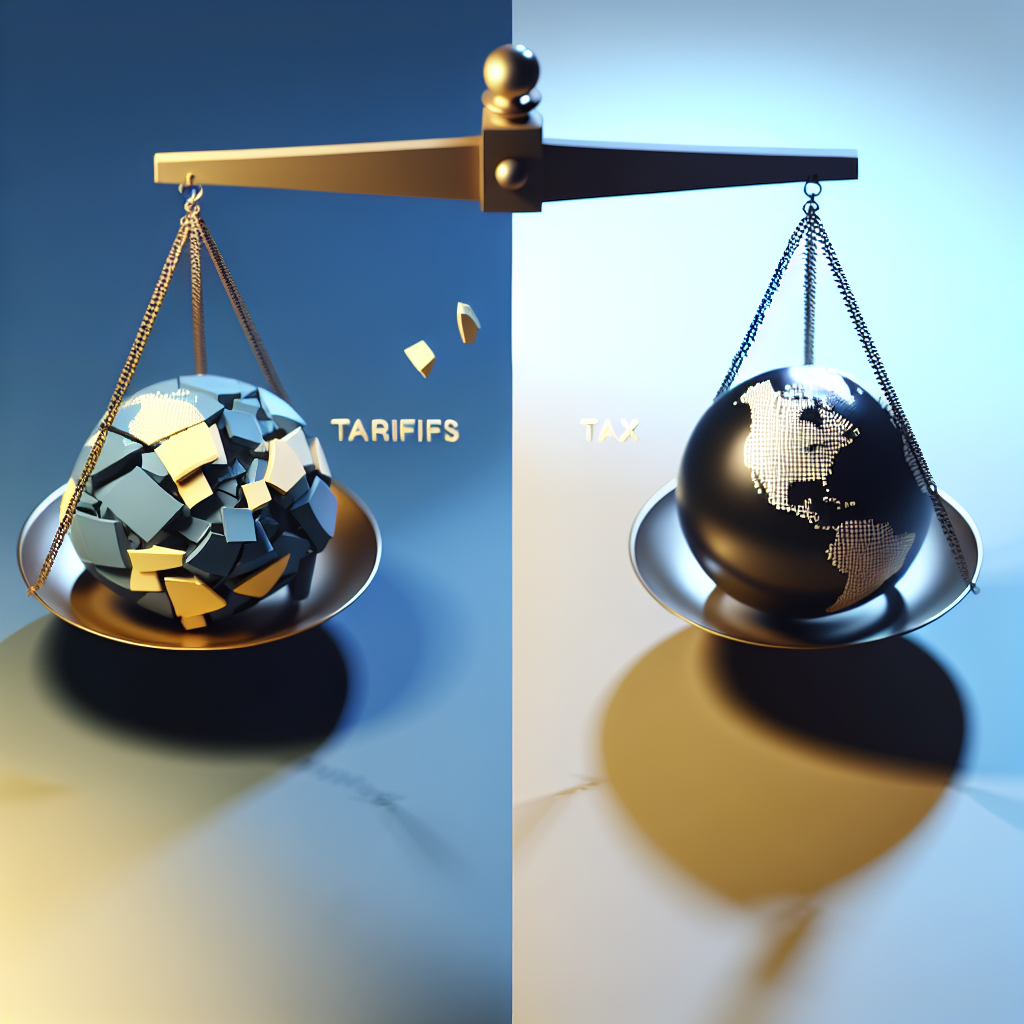
1. US Supreme Court Strikes Down Trump’s Sweeping Tariffs, Prompting 10% Global Levy Plan
A US Supreme Court ruling on February 21, 2026, invalidated President Donald Trump’s broad tariff measures—implemented since August—as exceeding presidential authority, with six of nine justices voting against them; Trump responded by announcing a new 10% global tariff alongside alternative investigations to impose “fair tariffs” on other countries, claiming it would generate more revenue.[3] This decision jeopardizes revenue from existing tariffs and undermines trade deals, including the US-EU agreement brokered by the Trump administration.[3]
Context: Tariffs formed a cornerstone of Trump’s economic policy aimed at protecting domestic industries and pressuring trading partners.
Implications: The shift could escalate global trade tensions, disrupt supply chains for businesses reliant on imports, and invite retaliatory measures from the EU and others, potentially slowing economic growth amid ongoing geopolitical strains; markets may see heightened volatility as investors assess the narrower but still aggressive 10% baseline.[3]
2. Canada Conducts Arctic Military Drills Amid Heightened Regional Security Focus
Canada launched military exercises in the Arctic on February 21, 2026, testing equipment and personnel endurance in extreme conditions, coinciding with the opening of a new consulate in Nuuk and Prime Minister Mark Carney’s efforts to strengthen defense ties with other Arctic nations.[1] These drills address strategic positioning in a resource-rich region increasingly contested due to melting ice caps.
Context: The Arctic’s geopolitical importance has surged with climate change opening new shipping routes and access to minerals, drawing interest from Russia, China, and NATO allies.
Implications: Enhanced Canadian presence signals a broader Western pushback against rival claims, potentially accelerating an arms race in the region and influencing energy security; businesses in defense, shipping, and extraction sectors may benefit from new contracts, while environmental groups warn of heightened ecological risks from militarization.[1]
3. E5 Defense Ministers Convene on Ukraine Arms Boost as Russia Conflict Persists
Defense ministers from the E5 group (Poland, France, Germany, Italy, and UK) met online with Ukraine in Krakow on February 21, 2026, to expand the arms industry, boost production capabilities, enhance operational readiness, and counter hybrid threats amid the ongoing Russia-Ukraine war, now in its fourth year with no peace in sight despite US settlement pushes.[3][6]
Context: The war, entering its fifth year by February 2026, has strained European resources, with Ukraine reliant on Western munitions; recent US diplomatic efforts for a settlement have stalled.[6]
Implications: Ramped-up arms production could prolong the conflict by bolstering Ukraine’s defenses but risks broader escalation if Russia perceives it as provocation; for business, it promises growth in Europe’s defense sector, while geopolitically, it reinforces NATO unity against hybrid warfare tactics like cyberattacks and disinformation.[3][6]
