1. US-Israel Joint Strikes Kill Iran’s Supreme Leader Ayatollah Ali Khamenei, Sparking Regional Retaliation
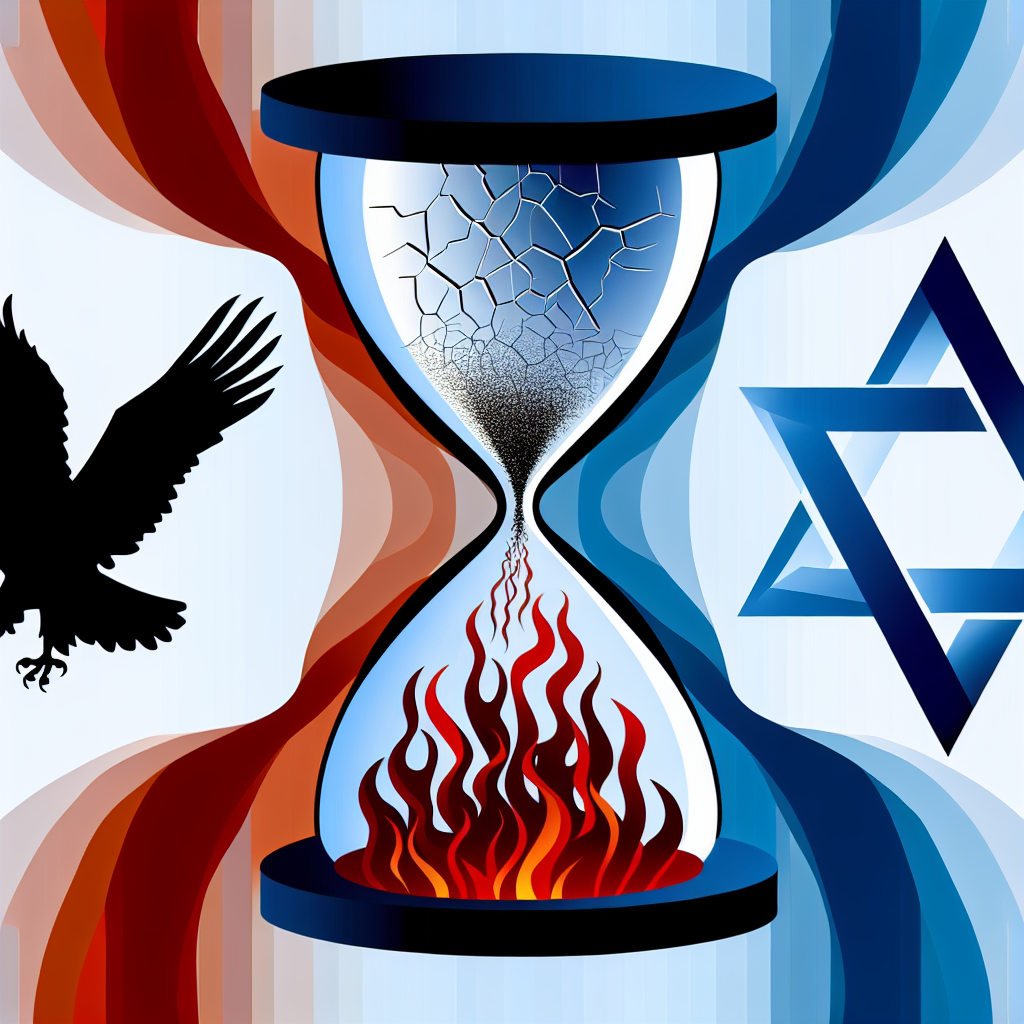
On February 28, 2026, the US and Israel launched coordinated military strikes across Iran, targeting nuclear sites and leadership, resulting in the confirmed death of Supreme Leader Ayatollah Ali Khamenei, as verified by Israeli officials, Iranian state media, and President Trump[1][2][3][4]. Key facts include over 200 deaths reported by Iran’s Red Crescent Society, strikes on civilian sites like a girls’ school in Minab killing 108, and Iran’s immediate missile reprisals hitting US bases in the Gulf (Abu Dhabi, Manama) and civilian areas in Dubai[1][2][4]. Context: Saudi Crown Prince Mohammed bin Salman and Israeli PM Benjamin Netanyahu lobbied Trump for the action amid Iran’s nuclear advancements and regional proxy threats; US polls showed low public support (21% favoring strikes) and distrust in Trump’s military handling[1][6]. Implications: Escalation risks a broader war involving Pakistan (pro-Iran protests in Karachi killed 9), Afghanistan border clashes (300+ Afghan forces dead), and Gulf states; aviation halted with 19,000 flights delayed, US troops at high risk, and domestic US security heightened[1][3][4][5].
2. Pakistan-Afghanistan Border Clashes Intensify Amid Anti-US Protests in Pakistan
Pakistan’s military conducted artillery and air strikes deep into Afghanistan overnight into February 28, killing over 300 Afghan forces in escalating border disputes, with Afghanistan claiming to down a Pakistani jet (denied by Islamabad)[1]. Simultaneously, at least 9 died in Karachi when security forces fired on pro-Iran protesters storming the US consulate following Khamenei’s death[1]. Context: These events tie into the US-Israel-Iran conflict, with Pakistan backing strikes via lobbying and facing internal fallout from Iran’s retaliation[1]. Implications: Heightens South Asian instability, potentially drawing in nuclear-armed rivals; strains US-Pakistan ties despite shared anti-Iran stance, complicating counterterrorism and regional supply chains[1].
3. Progress in Russia-Ukraine Talks as Moscow Accepts US Security Guarantees Proposal
At Geneva talks on February 28, Russia agreed to a US-proposed framework for post-war security guarantees for Ukraine, per Ukrainian President Zelensky’s chief of staff Kyrylo Budanov[2]. President Trump urged Moscow and Kyiv to finalize an end to Europe’s largest war since 1945, though Zelensky noted pressure for Ukrainian concessions[2]. Context: This follows stalled negotiations and aligns with Trump’s foreign policy shift toward deal-making post-Iran strikes[2][6]. Implications: Could accelerate ceasefire, reduce energy shocks to Europe, and free US resources amid Middle East tensions; success hinges on implementation amid mutual distrust, potentially reshaping NATO dynamics and global food/commodity markets[2].
