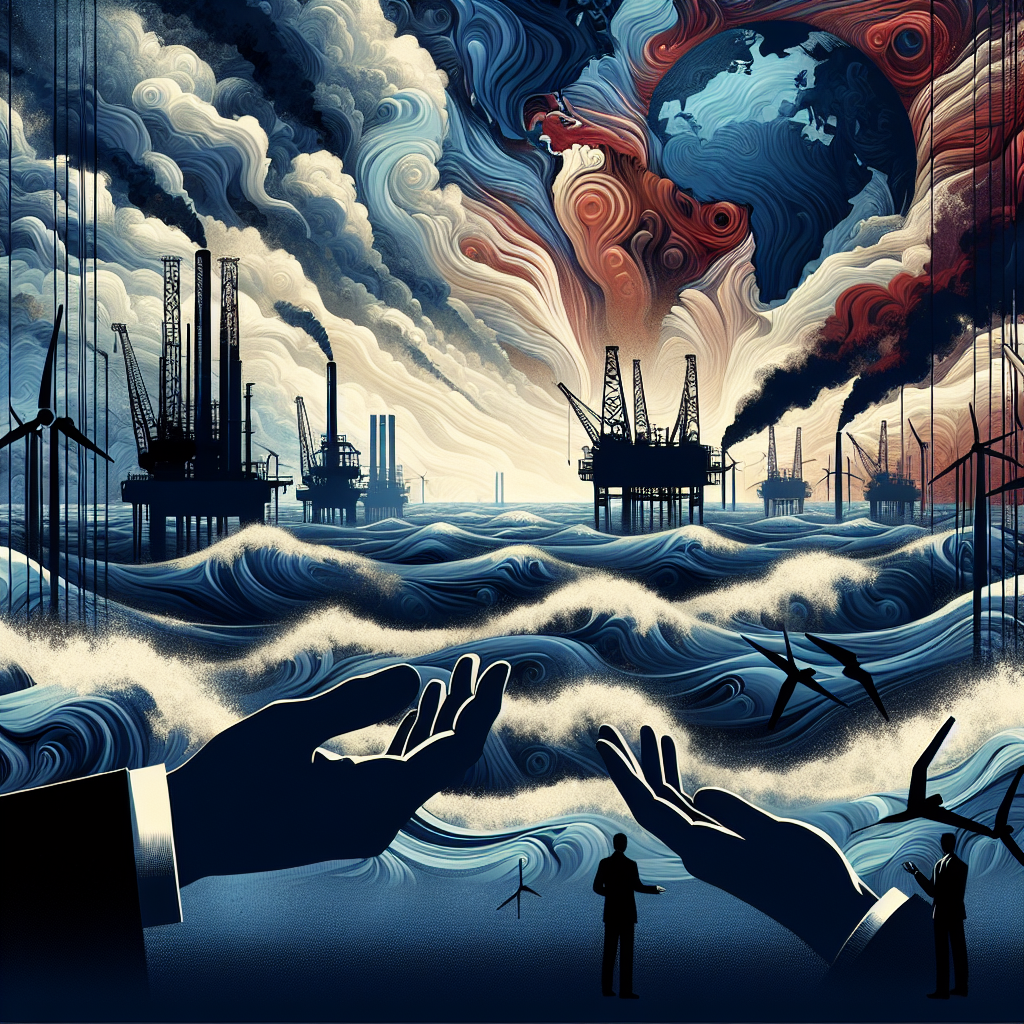
Based on the latest reports, the primary global developments center on an escalating US and Israeli military conflict with Iran and its cascading effects on energy markets and regional security.[1][2]
Middle East Conflict
The US and Israel launched initial strikes on Iran on Saturday, with President Trump vowing to continue military operations until all war objectives are achieved.[2] Stated US objectives include destroying Iran’s missile capabilities, eliminating its naval capacity, preventing nuclear weapons development, and stopping Iranian funding of militant groups.[2] Iran has responded with retaliatory air attacks across the Middle East, and has threatened to close the Strait of Hormuz, a critical maritime chokepoint carrying 20% of the world’s oil supply.[1][2] Satellite data indicates tanker traffic through the strait has virtually halted.[2]
Israel also conducted strikes against Hezbollah targets in Lebanon on Monday in response to the group’s involvement.[2]
Energy Crisis
European gas prices surged by as much as 45% on Monday following Qatar’s halt to gas production due to Iranian strikes on its facilities.[2] Gas reserves in Germany and France have plummeted to just 20%, placing Europe’s largest economies at risk of intense competition for remaining energy supplies.[2] The Philippines has assured its public of adequate oil stockpiles for up to two months.[1]
European Response
French President Emmanuel Macron has ordered an increase in France’s nuclear warhead stockpile as part of a broader effort to bolster European security amid threats on multiple fronts, including Russia’s war in Ukraine.[2] European markets declined sharply on Monday, with the Euro Stoxx 50 shedding 2% at open as investors reacted to the conflict’s threat to global shipping.[2]
