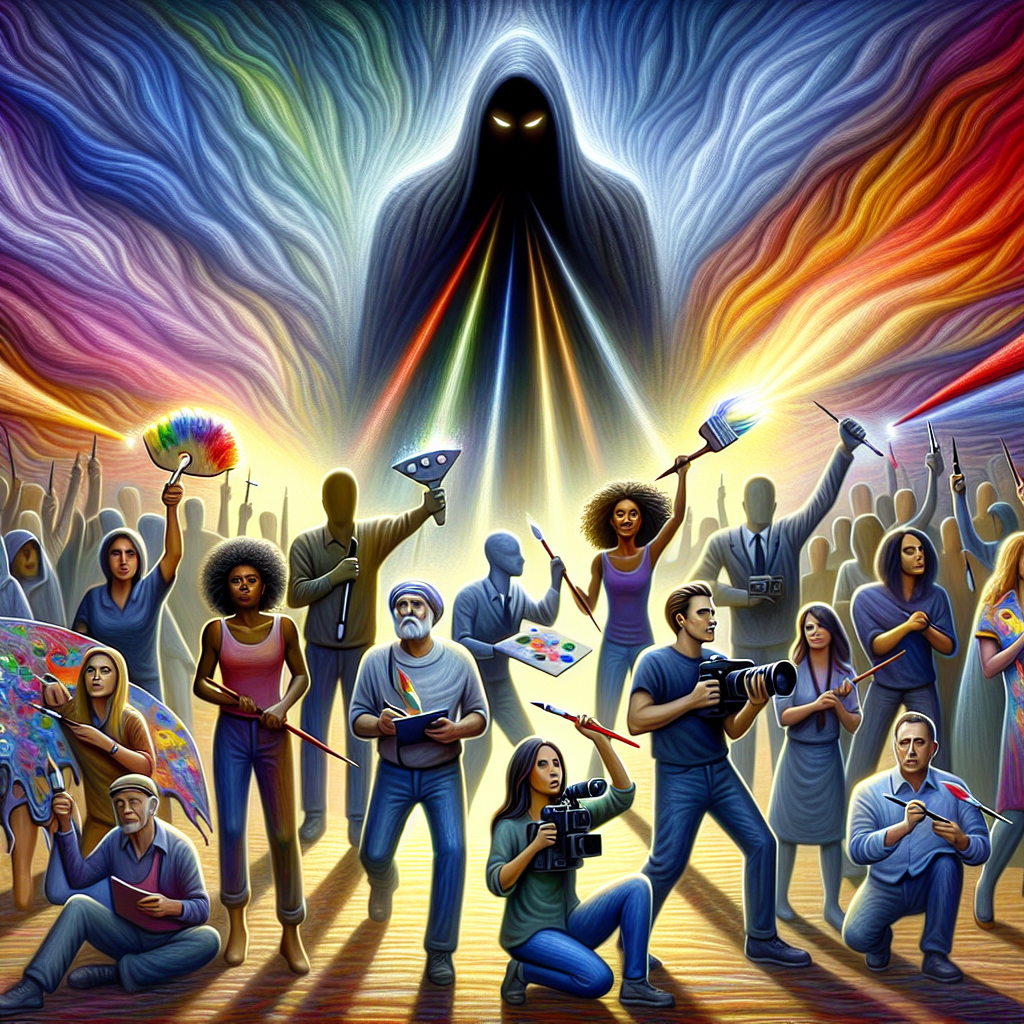
A Glimpse of Iran, Through the Eyes of Its Artists and Journalists
In the face of unrelenting repression, Iranian artists and journalists offer a vivid, defiant window into their nation’s soul, channeling grief, rage, and hope through protest art, music, and clandestine reporting as of early 2026.[1][2][3] From the explosive Woman, Life, Freedom uprising sparked by Jina Mahsa Amini’s death in 2022 to the shadowy resistances of 2025-26, these creators sustain a cultural revolt amid arrests, exile, and censorship.[1][2]
The Spark: Woman, Life, Freedom and Artistic Fury
The custody death of 22-year-old Jina Mahsa Amini ignited nationwide protests in 2022, transforming personal anguish into a global cry.[1] Diaspora artists like UK-based illustrator Roshi Rouzbehani, who fled Iran in 2011, turned to their craft as both therapy and activism. “Art became both a personal coping mechanism and a form of activism for me,” she shared, disseminating images online to amplify Iran’s struggle.[1] Security forces responded brutally, killing hundreds, detaining thousands, and targeting cultural workers with arrests, torture, and bans.[1][2]
Los Angeles illustrator Forouzan Safari, who left Iran in 2013, captured this era’s essence in visuals of unveiled women dancing freely—imagery forbidden under the regime’s hijab mandate. One 2025 piece shows four women in bodysuits striking poses in Isfahan’s Naqsh-e Jahan Square mosque, reclaiming Iranian architecture from religious dogma: “To me, it’s just Iranian architecture.”[1] Safari’s art envisions liberation, including a December 2024 sketch of singer Parastoo Ahmadi, arrested for a hijab-free livestream of traditional Persian music.[1] “Art is my survival,” she insists, a sentiment echoing across the diaspora.[1]
Installation artist Parastou Forouhar, exiled in Germany since 1991 after her parents’ 1998 assassination by intelligence agents, co-founded Art/Culture/Action. This collective documents censorship, supports arts students at the uprising’s forefront, and pushes for boycotts of regime-linked groups.[1] Forouhar’s annual Tehran memorials demand justice, blending personal loss with collective resistance.[1]
Journalists: Chronicling the Unseen Uprising
Parallel to artists, journalists risk everything to narrate Iran’s turmoil. National Book Award-nominated For the Sun After Long Nights: The Story of Iran’s Women-Led Uprising by Fatemeh Jamalpour and Nilo Tabrizy captures the 2022 movement in near-real-time detail. Jamalpour reported secretly from Tehran, evading a regime that imprisoned at least 91 journalists in 2024 alone, some facing 14-year sentences and corporal punishment.[3][7]
In 2025-26, as economic crises fuel new protests across cities, journalists like Iranist Vladimir Mitev analyze events through cultural lenses, highlighting artists’ roles in sustaining defiance.[4] Leaked documents expose a “Celebrity Task Force” orchestrating artist persecutions: work bans, asset seizures, travel restrictions, and forced confessions under vague “security” charges.[2] Over 100 artists faced prosecution in 2022, with rapper Toomaj Salehi enduring 252 days in solitary before his 2024 death sentence was overturned.[2]
2026: From Icons to Shadows
By 2026, prominent figures have faded from view, adopting anonymous resistance via encrypted apps and informal channels to evade surveillance.[2][5] No high-profile arrests dominate headlines; instead, threats target families, students, and influencers, chilling visibility.[2] Yet the 2022 infrastructure endures: Shervin Hajipour‘s Grammy-winning “Baraye”—with 40 million views—remains the uprising’s anthem, alongside unveiled women icons, martyr graffiti, and protest rap.[2]
Organizations like the Artistic Freedom Initiative advocate for artists as human rights defenders, aiding 53 in relocation by 2024.[2] The Artists at Risk Connection mourns those killed in January 2026 protests, maintaining memorials amid Israeli airstrikes and geopolitical threats.[5][8] LA emerges as an Iranian art hub, hosting exiles at events like Frieze Los Angeles 2026.[8] Projects like Freedom for Iran by Marvelous Art Group declare solidarity against the regime and Revolutionary Guard.[6]
A Persistent Flame
Through installations, illustrations, anthems, and hidden dispatches, Iran’s artists and journalists pierce the regime’s veil. They mourn Amini, honor the fallen, and dream of unveiled dancers in ancient squares.[1] Repression evolves— from overt crackdowns to strategic silence—but creativity persists as Iran’s “third space of resistance.”[7] In exile or anonymity, these voices ensure the world glimpses not just oppression, but unquenchable spirit.[2][3]
This cultural defiance, rooted in 2022’s fire, burns into 2026, reminding us: art and journalism are freedoms authorities cannot fully extinguish.[1][2] As Forouhar notes, it “lives in the way Iranian artists claim space, speak their truths and challenge systems of oppression across every medium.”[1]
(Word count: 812)
Original source: NPR News – A glimpse of Iran, through the eyes of its artists and journalists
