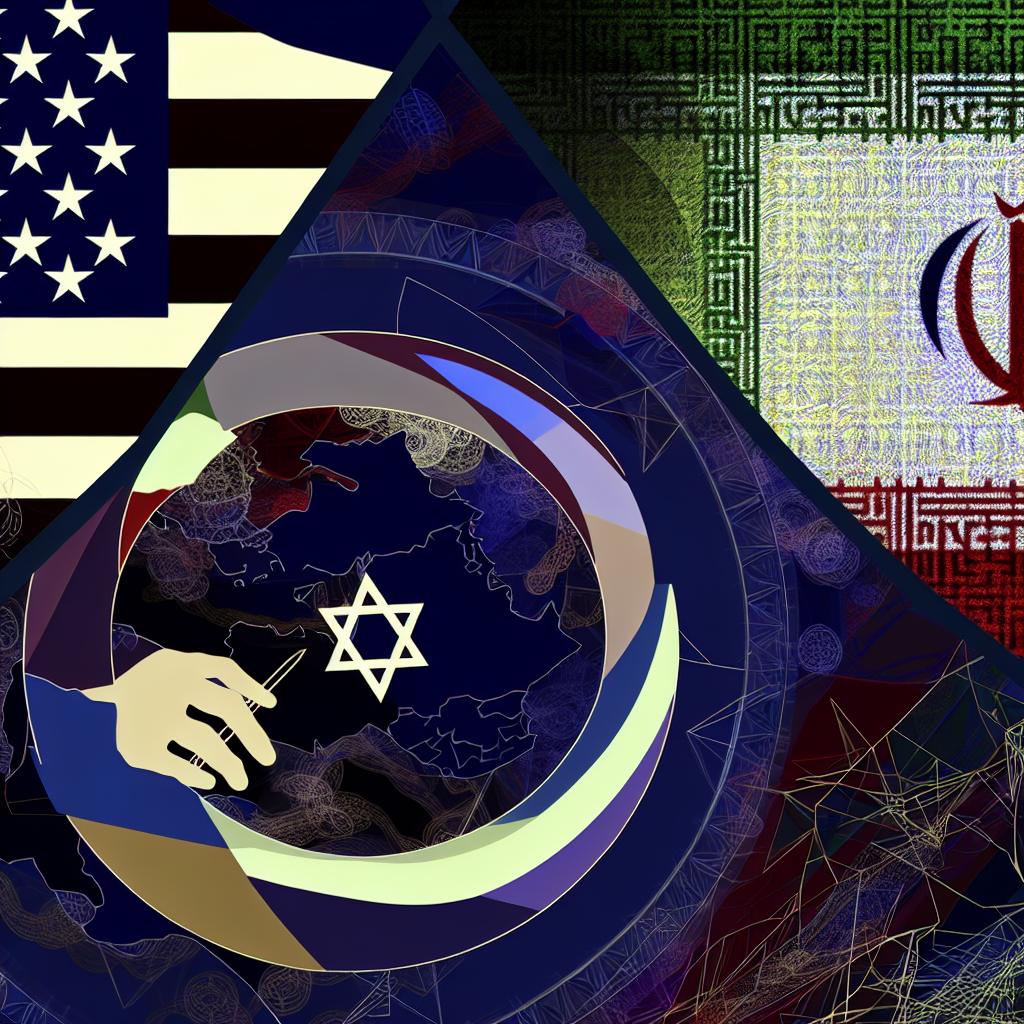
Based on the search results from March 4, 2026, the three most significant world news stories are:
1. Escalating US-Israeli Military Campaign Against Iran
The most consequential story involves a major military escalation in the Middle East. US and Israeli forces have launched “Operation Epic Fury,” a coordinated bombing campaign against Iran that began over the weekend[1][2]. As of March 4, this represents the fourth day of intense conflict, with US forces striking more than 2,000 targets since Saturday[1]. The campaign culminated in the assassination of Iranian Supreme Leader Ayatollah Ali Khamenei[2], marking a dramatic escalation in US-Iran tensions.
Key implications: The conflict has triggered significant regional instability. Iran has retaliated with ballistic missile strikes on US military bases, including Al Udeid Air Base in Qatar[8], and drone attacks on allied facilities across the region[6]. The death toll in Iran has risen to 1,045[1]. The State Department has urged Americans in 14 countries to evacuate[2], and the US has ordered consular staff to leave Pakistan due to safety risks, with 10 people killed when US Marines opened fire on protesters at the Karachi consulate[1]. An Iranian naval vessel (IRIS Dena) sank in the Indian Ocean, possibly from a submarine attack, with 140 people missing[1]. The conflict threatens to disrupt approximately 20% of the world’s daily oil consumption, which passes through the Persian Gulf[2], creating potential for a global energy crisis.
2. Expanding Israel-Hezbollah Conflict and Regional Destabilization
Israel has escalated its military operations beyond Iran, now intensifying attacks on Lebanon-based Hezbollah[2]. The Israel Defense Forces announced broad-scale strikes targeting Iranian regime positions in Tehran[4], while simultaneously expanding operations against Hezbollah, which has prompted mass evacuations in Lebanon[1]. Syria is reportedly sending thousands of troops to reinforce its border with Lebanon amid the escalating conflict[2].
Key implications: This expansion signals the conflict is broadening beyond US-Iran tensions into a multi-front regional war. The simultaneous operations against Iran and Hezbollah increase the risk of wider regional instability and could draw additional actors into the conflict.
3. US Military Operations in Latin America and Global Diplomatic Realignment
The US has launched its first known land operation in Latin America against drug cartels, conducting joint military operations with Ecuador against “designated terrorist organizations”[2]. Additionally, US special forces are now operating in Ecuador to target suspected drug traffickers[1]. Separately, President Trump hosted German Chancellor Friedrich Merz to discuss the US-Israel offensive against Iran[2], signaling diplomatic coordination among Western allies.
Key implications: This represents a strategic shift in US military priorities, with the Trump administration prioritizing drug cartel operations in Latin America while simultaneously escalating Middle East tensions. However, US allies in Asia are expressing concerns that the Iran military campaign could divert Washington’s attention from the Indo-Pacific region and potentially embolden China’s regional ambitions[2]. The diplomatic engagement with Germany suggests efforts to maintain Western alliance cohesion despite the military escalation.
